Skip to product information
1 of 6

Royal Way

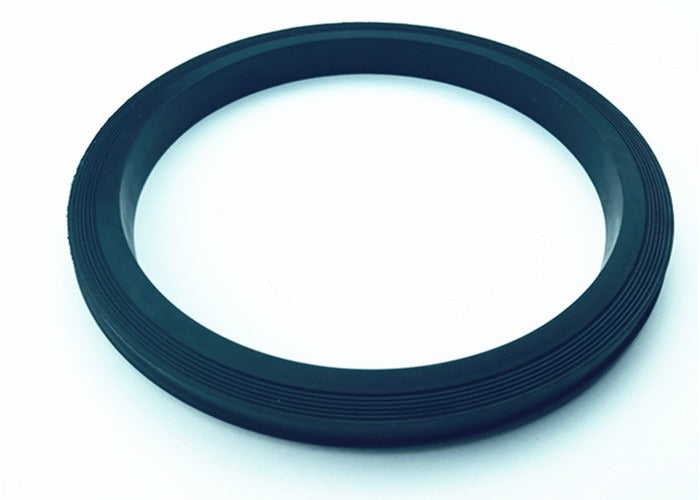
4" FIG 602 / 1002 / 1502 Hammer Union Lip Seal | NBR, HNBR & FKM

4" FIG 602 / 1002 / 1502 Hammer Union Lip Seal | NBR, HNBR & FKM
Regular price $0.92 USD
Regular price Sale price $0.92 USD
Sale Sold out
Taxes included. Shipping calculated at checkout.
Material
Insert Type
Hardness

Minimum order quantity (1 carton): 300 pcs

Quantity
Request Bulk Quote

Read the Hammer Union Seal Identification Guide

Product details

4" Hammer Union Lip Seal for compatible FIG 602, FIG 1002 and FIG 1502 oilfield flowline equipment. Available in NBR, HNBR and FKM, with plain elastomer, brass anti-extrusion ring or stainless-steel anti-extrusion ring construction.

The replaceable lip profile provides the primary seal inside the union and helps protect the secondary metal-to-metal sealing surfaces.

Construction options

  • Plain elastomer: available in 80, 85 and 90 Shore A.
  • Brass or stainless-steel anti-extrusion ring: available in 85 and 90 Shore A for added extrusion support.

Material selection

  • NBR (Buna-N): general oilfield service with petroleum oils and compatible water-based fluids.
  • HNBR: improved heat, wear and sour-service capability when compatible with the media.
  • FKM: higher-temperature service and broader resistance to compatible fuels and chemicals.
  • Stainless-steel ring: commonly selected where compatible corrosive liquids or gases make stainless steel preferable to brass.

Ordering

Price is shown per piece. MOQ varies by selected material and construction. Volume pricing is available; larger quantities require a quote.

Important: Confirm nominal size, seal profile, compound, hardness, backup-ring material and equipment groove before ordering.

Material Options

Available materials include Buna-N / NBR, HSN / HNBR, and FKM / Viton®-type compounds. Standard hardness options include 80 Shore A, 85 Shore A, and 90 Shore A depending on size and application.

Selected hammer union seals are available with brass or stainless steel anti-extrusion rings. Material, hardness, and insert type should be selected according to pressure rating, temperature, fluid media, and service conditions.

View full details